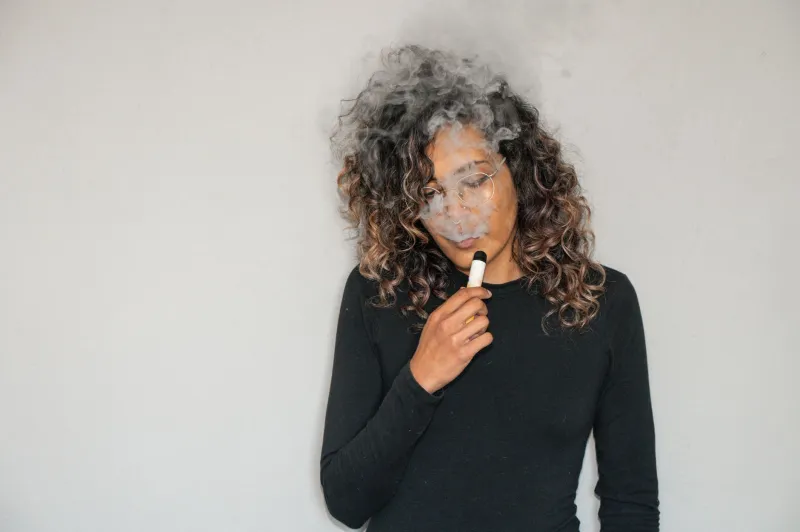
Resting Easy: What the Science (and Real User Experiences) Tell Us About Vaping and Sleep Quality
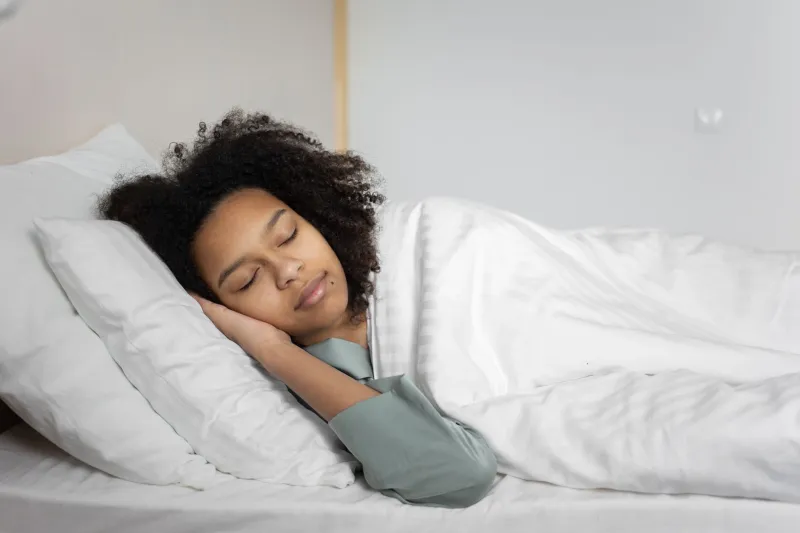
Ask around in any vaporizer community — Reddit threads, online forums, local dispensary conversations — and you'll hear a version of the same story over and over. Someone switches from smoking cannabis to vaping it, and within a few weeks, they notice something unexpected: they're sleeping better. Waking up less. Feeling more rested in the morning.
It's a pattern too consistent to ignore. But is it real? And if so, what's actually driving it?
The honest answer is: it's complicated. There's genuine science pointing in a promising direction, but there are also real gaps in the research that deserve acknowledgment. Let's walk through both.
Why Smokers Often Struggle With Sleep in the First Place
Before comparing vaping to smoking, it helps to understand why combustion-based consumption can mess with sleep in the first place.
When you burn cannabis — or anything, really — you produce a cocktail of combustion byproducts: carbon monoxide, tar, fine particulate matter, and dozens of other compounds that your lungs genuinely weren't designed to process. Over time, regular exposure to these irritants causes inflammation in the airways. That inflammation doesn't just disappear when you lie down at night.
Chronic respiratory irritation is closely linked to disrupted sleep architecture. Coughing fits, throat discomfort, and congestion all pull the body out of deeper sleep stages. And if your airways are even mildly inflamed, your body is working harder to breathe — which isn't exactly a recipe for restful, uninterrupted rest.
There's also the carbon monoxide angle. CO reduces the blood's ability to carry oxygen efficiently. Even modest, regular exposure can leave your body in a state of mild oxygen deficit, which affects everything from cognitive function to how deeply you cycle through REM sleep.
What Changes When You Switch to a Vaporizer
Vaporizers heat cannabis (or other herbs) to temperatures below combustion — typically somewhere between 320°F and 430°F depending on your device and preferences. At those temperatures, the active compounds in the plant material are released as vapor without the chemical chaos that comes from actually burning something.
The result is a significantly cleaner inhalation experience. Multiple studies — including research published in the Journal of Psychoactive Drugs and work done through the Multidisciplinary Association for Psychedelic Studies (MAPS) — have found that vaporizer users report fewer respiratory symptoms compared to smokers. Less coughing, less phlegm, less chest tightness.
When those airway irritants are reduced, the body's overnight recovery process runs more smoothly. You're not fighting low-grade inflammation while trying to sleep. Your breathing is easier and more consistent. Those factors alone could plausibly explain improved sleep quality — even before you factor in anything specific to cannabis itself.
The Dosing Control Factor
Here's something that doesn't get talked about enough in the sleep conversation: vaporizers give you meaningfully better control over how much you're actually consuming.
With smoking, the delivery is unpredictable. Combustion temperature, draw technique, how tightly the material is packed — all of it affects what you're actually getting in any given session. Vaping, especially with a quality device that lets you dial in temperature, is far more consistent.
Why does this matter for sleep? Because dosing matters enormously when cannabis is part of a wind-down routine. Research — including findings from a 2021 study in Sleep Medicine Reviews — suggests that lower doses of THC may support sleep onset, while higher doses can actually suppress REM sleep and leave users feeling groggier the next morning. Too much is counterproductive.
Vaporizer users who are paying attention to their sessions are more likely to find and stick to a dose that works for sleep without overshooting. That precision is a legitimate functional advantage.
What the Research Actually Supports — and What It Doesn't
Let's be real about the limits of the current science.
Most of the data we have on vaporizer use and sleep is either self-reported, based on small sample sizes, or conducted in contexts where researchers couldn't fully control all the variables. There isn't yet a large-scale, randomized controlled trial that definitively proves vaporizer users sleep better than smokers. That study simply hasn't been done at the scale needed to draw firm conclusions.
What we do have is reasonably solid evidence that:
- Vaporizers produce fewer respiratory irritants than combustion, which is well-documented
- Reduced respiratory irritation correlates with better sleep quality in people with conditions like asthma and COPD — a connection that's been studied independently of cannabis
- Consistent dosing supports more predictable physiological outcomes, including effects on sleep
- Many users report subjective improvements in sleep after switching, though self-reporting has obvious limitations
What remains speculative is whether the vaporizer-sleep connection holds up equally across all users, all devices, and all consumption patterns. Individual biology varies enormously. Someone with pre-existing respiratory issues may see dramatic improvement; someone without them might notice much less difference.
The Herb Itself Still Matters
It's worth noting that the delivery method is only one piece of the puzzle. The specific cannabis strains or herbal blends you're vaping play a significant role in sleep outcomes too.
CBD-dominant strains are widely used for anxiety reduction, which is one of the most common culprits behind difficulty falling asleep. Indica-leaning cultivars are often reported to produce more body-relaxing effects compared to their sativa counterparts, though the science on strain classification is murkier than the marketing suggests. Terpenes like myrcene and linalool — found in many calming herb varieties — may also contribute to sedative-adjacent effects.
The point is, if you're vaping with sleep in mind, what you're vaping matters just as much as how you're vaping it.
Practical Takeaways for Better Rest
If you're a current smoker curious about whether switching to a vaporizer might improve your sleep, here's what the available evidence suggests:
Give your lungs a few weeks. Respiratory inflammation doesn't clear overnight. Most users who report sleep improvements after switching note that it took two to four weeks before the difference became noticeable.
Start with lower temperatures. Cooler vapor is gentler on your airways and may be less stimulating before bed. Somewhere in the 330–370°F range is a common starting point for evening sessions.
Keep your device clean. Residue buildup in a vaporizer can introduce combustion-adjacent compounds into your vapor. Regular maintenance keeps your sessions as clean as possible.
Pay attention to dose. Less is often more when sleep is the goal. A smaller, more controlled session an hour or two before bed tends to work better than a large one right before you turn the lights off.
The Bottom Line
The wellness gap between vaporizer users and smokers when it comes to sleep quality is real — but it's probably not magic. It's the cumulative result of reduced airway irritation, cleaner inhalation, and better dosing control, all working together to let your body do what it naturally wants to do at night: rest.
The science isn't complete, and it's worth being honest about that. But the physiological logic is sound, the anecdotal evidence is substantial, and the emerging research is pointing in a consistent direction. If sleep quality is part of why you're considering or already using a vaporizer, you've got good reasons to be optimistic.