7 Things People Believe About Vaporizers That Simply Aren't True
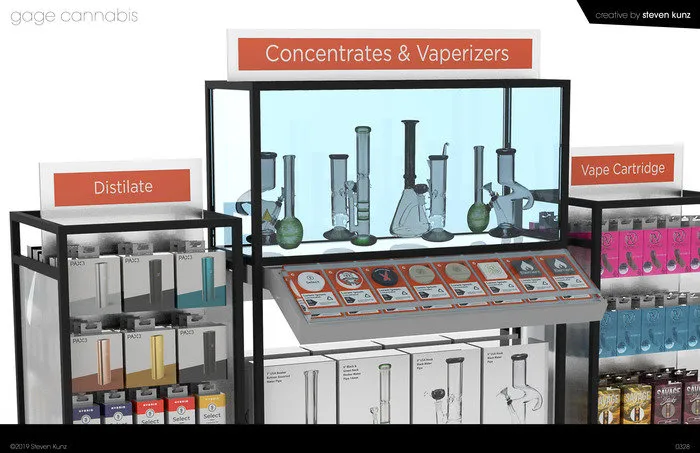
Photo: vaporizer device next to cannabis herb and cleaning supplies flat lay, via s3images.coroflot.com
Walk into any conversation about vaporizers — online forums, dispensary counters, group chats — and you'll encounter confident claims that sound totally reasonable but don't quite line up with reality. Some of these myths are harmless. Others are actively costing people money or leading them to make decisions that work against their wellness goals.
Let's go through seven of the most common ones and set the record straight.
Myth 1: Vaporizing Is Completely Risk-Free
This is probably the most widespread and potentially harmful misconception in the entire space. Vaporizing is widely considered a less harmful alternative to smoking — and the research does support that it eliminates many of the combustion byproducts associated with burning plant material. But "less harmful" is not the same as "harmless."
Inhaling any substance into your lungs carries some level of risk. Studies have noted that vapor can still contain trace irritants, and the long-term effects of habitual vaporizer use are still being studied. The 2019 EVALI outbreak, while largely linked to vitamin E acetate in illicit cartridges, was a stark reminder that inhalation-related risks are real.
The takeaway isn't to avoid vaporizers — it's to use them with realistic expectations. If someone is selling you a device on the promise that it's 100% safe, that's marketing, not science.
Myth 2: Higher Temperature Always Means a Better Session
It's intuitive to think that cranking up the heat produces more vapor, which means a stronger, more effective session. And while higher temperatures do produce denser clouds, the relationship between temperature and quality is a lot more nuanced.
Different compounds in cannabis and other herbs vaporize at different temperature ranges. Terpenes — the aromatic compounds responsible for flavor and many of the nuanced effects — are volatile and tend to burn off quickly at higher temperatures. If you're running your device at 420°F or above consistently, you may be blasting past a lot of what makes your herb interesting.
For many users, sessions in the 350–385°F range produce better flavor, preserve more of the aromatic profile, and still deliver meaningful results. Higher temps have their place, but they're not universally superior.
Myth 3: Portable Vaporizers Perform Just as Well as Desktops
Portable devices have come a long way — genuinely impressive engineering has gone into making them more powerful and efficient. But the idea that a $200 portable matches a quality desktop unit is, at best, an overstatement.
Desktop vaporizers have access to consistent wall power, larger heating chambers, and more sophisticated airflow systems. The result is typically more precise temperature control, denser vapor production, and greater session-to-session consistency. For home use, especially for people who prioritize performance over convenience, desktops remain the gold standard.
Portables win on convenience, discretion, and portability — obviously. But if someone tells you there's no performance difference, they're either selling something or haven't used both types seriously.
Myth 4: You Have to Spend a Lot to Get Quality
The premium vaporizer market is full of $300–$500 devices that are genuinely excellent. But the assumption that you need to spend at that level to get a worthwhile experience is just not accurate.
Several mid-range devices in the $100–$180 range consistently earn strong marks for vapor quality, build reliability, and ease of use. For someone new to vaporizing or someone who vapes occasionally, an entry-level device from a reputable brand will absolutely serve them well.
The diminishing returns curve in vaporizer pricing kicks in pretty quickly. Know what features actually matter to you before spending more than you need to.
Myth 5: You Can Tell a Good Vaporizer by How Much Vapor It Produces
Thick, visible clouds are satisfying. They feel like evidence that your device is working. But vapor visibility is not a reliable indicator of session quality or efficiency.
A lot of factors affect cloud density — humidity, temperature, draw speed, and the specific material being used. Some highly efficient vaporizers produce relatively thin vapor at lower temperatures while still delivering everything you're after. Chasing clouds often means chasing higher temps, which, as we covered above, can actually work against you.
Judge your device by how you feel after a session and how efficiently it uses your material — not by what it looks like.
Myth 6: Any Dry Herb Vaporizer Works for All Herbs
Marketed as "multi-herb" or "botanical" vaporizers, many devices are technically capable of handling different plant materials. But that doesn't mean they're optimized for all of them.
Different herbs have different ideal vaporization temperature ranges. Lavender, for example, performs well around 257°F. Blue lotus needs higher temps. Some herbs are better suited to devices with convection heating rather than conduction. Tossing any dried plant into your cannabis vaporizer and expecting great results is a bit of a gamble.
If herbal wellness beyond cannabis is part of your routine, do a little research on the specific temperature requirements of each herb, and make sure your device can hit those ranges accurately.
Myth 7: Cleaning Your Vaporizer Is Optional
This one might seem like common sense, but it's worth addressing directly because a surprising number of users treat cleaning as something they'll get around to eventually.
Residual buildup in your vapor path affects flavor, airflow, and the overall character of every session that follows a dirty one. Beyond the experience angle, accumulated residue can harbor bacteria and may re-vaporize at unpredictable temperatures, introducing compounds into your vapor that weren't part of your original material.
A clean device isn't just a nicer experience — it's a healthier one. Wipe down your mouthpiece regularly, keep your screens clear, and do a deeper clean every couple of weeks. It takes ten minutes and makes a real difference.
The vaporizer space is genuinely exciting and continues to evolve quickly. But it's also full of noise — brand claims, forum legends, and passed-down advice that's never really been questioned. Approaching it with a little healthy skepticism means you'll spend smarter, use your device more effectively, and build a wellness routine that's actually grounded in how things work.