What Your Vaporizer Actually Costs: The Full Price Tag Nobody Talks About
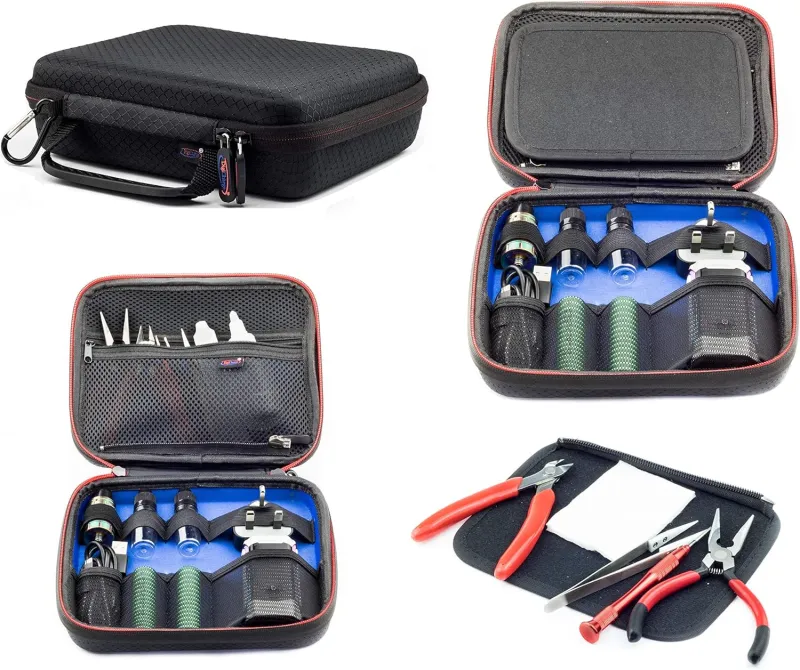
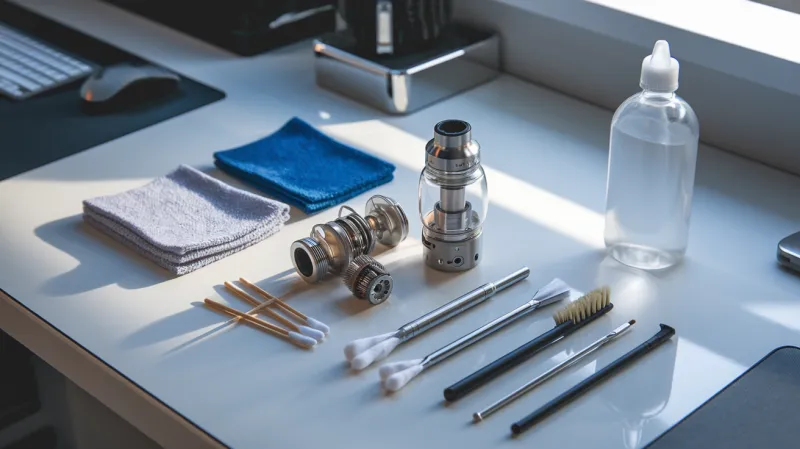
Photo: vaporizer accessories flat lay with cleaning supplies carrying case and herb storage, via m.media-amazon.com
You did your research. You read the reviews, watched the YouTube comparisons, and finally pulled the trigger on a vaporizer that felt like the right call. Then, a few weeks in, you're dropping another $20 here, another $35 there—and suddenly the budget you thought you had looks nothing like reality.
This is what we call the vaporizer setup tax. It's not a scam, exactly. Most of these costs are legitimate. But they rarely get talked about upfront, and for new users especially, they can turn a reasonable purchase into a quietly expensive one. Let's map out what you're actually signing up for.
The Device Is Just the Beginning
Most vaporizer pricing conversations focus entirely on the unit itself. Entry-level portables sit around $50–$80. Mid-range options land between $150 and $250. Premium desktop models can push past $500. Those numbers are real—but they're also incomplete.
The device is the foundation. Everything else is infrastructure. And depending on how seriously you get into vaping, that infrastructure adds up fast.
A reasonable estimate: budget an additional 30–60% of your device cost for the first year of ownership. For a $200 vaporizer, that's potentially another $60 to $120 in supporting expenses. Some users spend more.
Replacement Screens and Mouthpiece Components
This is probably the most underestimated recurring cost in vaporizer ownership. Screens—the small mesh or metal filters that keep herb particles out of your airpath—wear out, clog, and sometimes just disappear during cleaning. A pack of replacements typically runs $5 to $15, and depending on how often you clean and how heavily you use your device, you might go through several packs a year.
Mouthpiece components are another one. O-rings dry out and crack. Silicone parts get sticky over time. Glass mouthpieces break (always at the worst moment). Many of these parts are proprietary, meaning you're buying from the original manufacturer at their prices. Some companies are great about keeping spare parts affordable and in stock. Others treat replacement components like a profit center.
Before you buy any vaporizer, spend five minutes checking whether replacement parts are readily available and reasonably priced. It'll save you headaches later.
Cleaning Supplies: The Right Stuff Matters
You can technically clean most vaporizers with basic isopropyl alcohol and some cotton swabs. And for many users, that's genuinely all you need. But the market is full of branded cleaning kits, specialized solutions, and pipe cleaners marketed specifically for vaporizer maintenance—and they're not all gimmicks.
High-concentration isopropyl (90% or above) is the workhorse of vaporizer cleaning and costs almost nothing at a drugstore. That's a buy. Branded cleaning solutions that cost $15–$25 for a small bottle? In most cases, you're paying for packaging, not performance.
Where specialty products do earn their keep: cleaning kits that include the right brush sizes for specific chambers, or wipes pre-saturated for quick field cleaning. If you're the type who cleans on the go or wants a grab-and-go kit in your bag, those can be worth the convenience premium. Just don't let anyone convince you that your vaporizer requires a $30 proprietary cleaning fluid.
Power Adapters and Charging Gear
Portable vaporizers almost universally charge via USB-C now, which is great—it means you can use cables you already own. But some older models still rely on proprietary chargers or micro-USB, and desktop units often come with basic wall adapters that aren't ideal for travel.
If you travel frequently, a quality multi-port USB charger and a backup cable are worth owning. If you use a desktop vaporizer and want a dedicated setup in more than one room, a second power adapter might be on your list. None of these costs are huge individually—we're talking $10–$30 per item—but they're easy to forget when you're building your initial budget.
Carrying Cases: Protect Your Investment (Smartly)
A good carrying case is one of the most legitimately useful vaporizer accessories you can buy. A quality case protects your device, keeps everything organized, and—depending on the case—can help contain odor when you're traveling. For a $200 device, spending $20–$40 on a hard-shell or padded case makes real financial sense.
Where people overspend: branded cases sold by vaporizer manufacturers at $60–$80 for what is essentially a foam-lined box. Third-party cases on Amazon often perform identically for a fraction of the price. Measure your device, check dimensions, and shop around. The logo on the case doesn't affect how well it protects your vaporizer.
Herb Storage: More Important Than You Think
Poor herb storage is one of the most common ways people quietly waste money. Herb that dries out loses potency and flavor faster than most users realize—and it also vapes less efficiently, meaning you use more to get the same effect.
A quality airtight glass jar with a humidity control pack (brands like Boveda are popular and effective) runs about $15–$25 total and makes a real difference in how long your herb stays fresh. This is one of the few accessory categories where the investment genuinely pays for itself over time.
Avoid cheap plastic containers and the thin zip bags that dispensaries sometimes use for storage beyond the first day or two. They're fine for transport, not for keeping quality consistent over weeks.
What You Can Actually Skip
Not everything marketed at vaporizer users is worth your money. Here's a quick list of things that frequently underdeliver:
- Vaporizer-specific "enhancer" liquids or additives: Usually unnecessary and sometimes counterproductive
- Expensive grinders marketed to vaporizer users: A solid mid-range grinder ($20–$35) works as well as a $90 one for most people
- Branded carrying pouches made of thin neoprene: They offer minimal protection and aren't worth the markup
- Extended warranties from third-party retailers: Most reputable vaporizer brands offer solid manufacturer warranties; the third-party add-on rarely adds meaningful coverage
Building a Realistic First-Year Budget
Here's a rough framework for a mid-range portable vaporizer setup:
| Item | Estimated Cost |
|---|---|
| Vaporizer (mid-range) | $150–$250 |
| Carrying case (third-party) | $20–$35 |
| Replacement screens (year supply) | $15–$25 |
| Cleaning supplies (ISO + swabs) | $10–$15 |
| Herb storage + humidity packs | $15–$25 |
| Backup charging cable | $10–$15 |
| Total first-year estimate | $220–$365 |
That's a more honest picture than the device price alone. It's still a manageable investment—and for regular users, vaporizing typically saves money compared to other consumption methods over time. But going in with clear eyes about the full cost means fewer unpleasant surprises and smarter decisions about where to spend and where to save.