Why Your Perfect Vape Temperature Keeps Moving — and How to Chase It Down
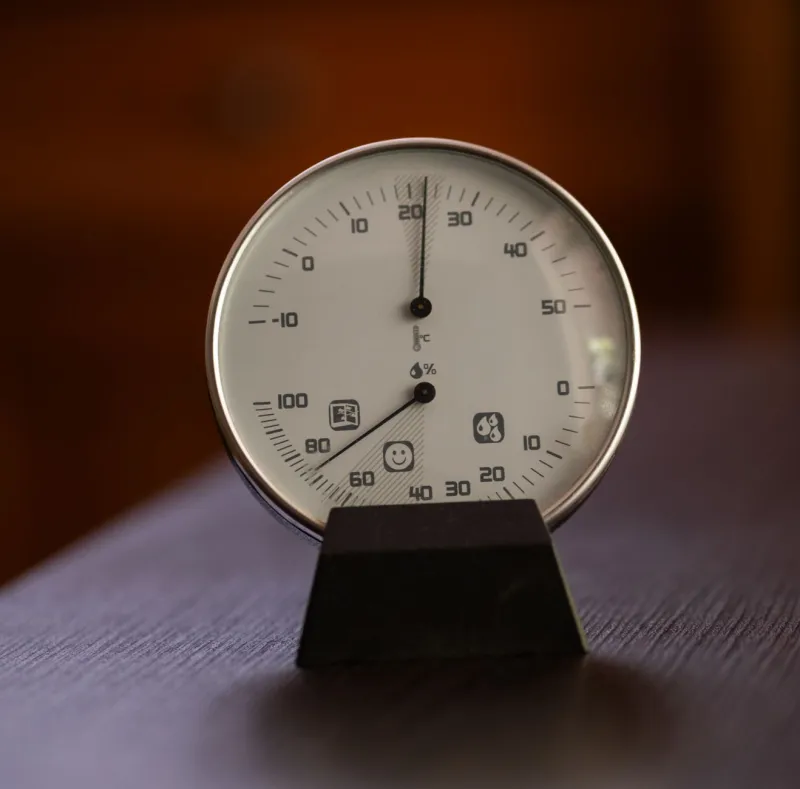
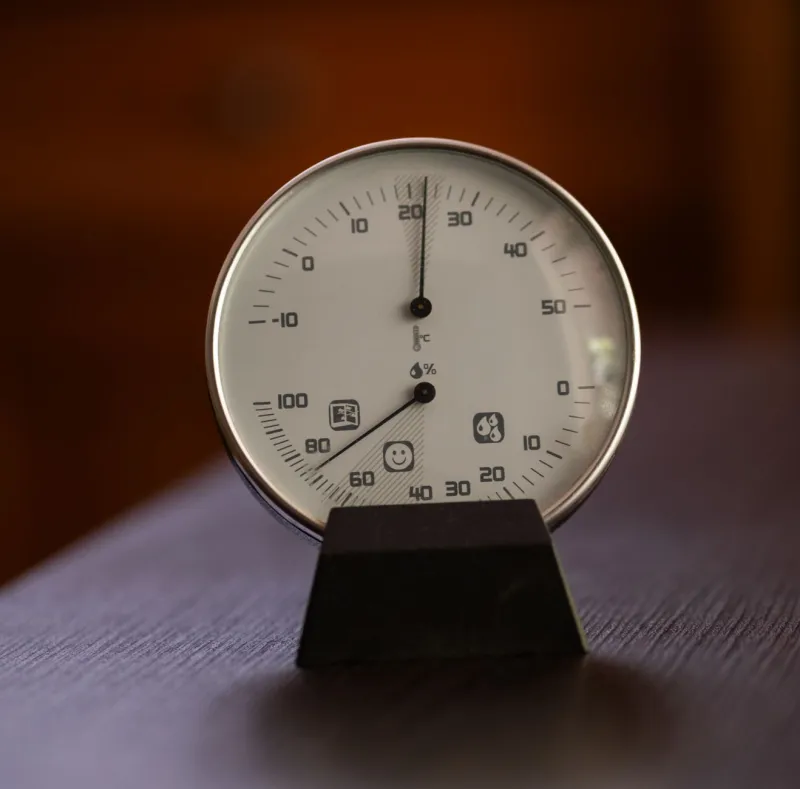
There's a particular kind of frustration that hits when something that used to work perfectly just... doesn't anymore. You had your temperature locked in. Same device, same setting, same routine — and for a while, everything was great. Then gradually, almost without you noticing, the experience started drifting. The vapor felt thinner, or harsher, or just off. You didn't change anything. So what happened?
Here's the thing: you probably didn't do anything wrong. The sweet spot moved on you, and that's actually a pretty normal phenomenon once you understand what's going on under the hood.
Temperature Isn't a One-Size-Fits-All Setting
Let's start with the basics. Vaporizers work by heating plant material to a temperature range where active compounds — cannabinoids, terpenes, and other phytochemicals — convert from solid or liquid form into inhalable vapor without crossing into combustion territory. The commonly cited range for cannabis sits between roughly 315°F and 440°F, with different compounds activating at different points along that spectrum.
But here's what most guides gloss over: the optimal point within that range isn't universal. It shifts based on what you're vaping, how your device performs, and even how your body is responding on a given day. Treating it like a static number is like setting your oven to the same temperature for every recipe and wondering why some dishes come out wrong.
Your Flower Is Always Changing
One of the biggest variables people overlook is the plant material itself. Cannabis flower isn't a standardized product — its chemical makeup varies from strain to strain, batch to batch, and even harvest to harvest. Moisture content alone plays a significant role in how heat transfers through the material and at what temperature you'll start seeing meaningful vapor production.
Fresh, well-cured flower with higher moisture content tends to require a slightly higher temperature to push through that initial dampness before vaporization really kicks off. Older, drier flower — or product that's been sitting in your stash jar for a few weeks — will vaporize more readily at lower temperatures, but it may also burn off faster and taste harsher if you don't dial back accordingly.
Seasonal variation adds another layer. Cannabis grown in different conditions across the year can have noticeably different terpene profiles. Terpenes are volatile aromatic compounds, and they vaporize at lower temperatures than most cannabinoids. A batch rich in linalool or myrcene might reward you with a fuller experience at 350°F, while a terpene-light batch might not really open up until you push closer to 375°F or higher.
If you've ever bought from the same brand or dispensary and noticed one batch hitting differently than the last, this is likely why.
Device Aging Is Real — and Subtle
Your vaporizer is also changing over time, even if it doesn't look any different from the outside. Heating elements wear in (and eventually wear out). Residue builds up in airflow pathways. Seals degrade slightly. Temperature sensors in budget and mid-range devices can drift from their factory calibration after extended use.
What all of this means practically is that a device set to 370°F in its first month of use might be delivering something closer to 360°F or 380°F a year later, depending on how it's aged. If your sessions have been feeling less satisfying without any obvious explanation, it's worth considering whether your device is still performing the way it was when you first found your sweet spot.
Regular cleaning helps significantly here — residue buildup genuinely affects thermal performance, not just flavor. But even a well-maintained device will drift over time, which is why periodically testing across a broader temperature range is worthwhile rather than assuming your saved setting is still accurate.
The Physiology Factor
This one tends to surprise people: your own body changes how temperature affects your experience. Tolerance is the obvious example — as your endocannabinoid system adapts to regular use, the same dose at the same temperature delivers a different result. But it goes beyond that.
Factors like hydration, fatigue, stress levels, and even what you've eaten can influence how you perceive vapor intensity and how your body responds to it. Someone who's well-rested and hydrated may find a lower temperature feels perfectly satisfying. The same person after a long week with poor sleep might feel like nothing is landing right — and nudging the temperature up slightly can sometimes compensate.
This isn't about chasing a high. It's about recognizing that you're a biological system with real variability, and your vaporizer settings are just one input into a complex equation.
A Practical Framework for Recalibrating
So how do you actually find your sweet spot again when it's moved? The key is approaching it methodically rather than just randomly bumping your temperature up or down out of frustration.
Start fresh with new material. When you open a new batch, don't assume your previous setting will transfer. Give yourself a short recalibration session — start around 340°F and work up in 10-degree increments across a few small draws. Notice where the vapor gets noticeably denser, where the flavor peaks, and where it starts to feel harsh or acrid.
Pay attention to vapor color and density. Thin, wispy vapor at a given temperature often means you haven't hit the right activation point yet. Dark, heavy vapor that comes with a burnt taste means you've overshot. You're looking for that middle zone where vapor is consistent and flavor is clean.
Factor in your device's condition. If it's been a while since a deep clean, do that first before recalibrating. You want to know you're working with an accurate baseline.
Keep informal notes. You don't need a spreadsheet — even a quick note in your phone about what temperature worked with a particular strain or batch can save you a lot of trial and error next time around.
Give yourself a few sessions. One session isn't always enough data. Your sweet spot often reveals itself more clearly after two or three rounds with the same material.
The Mindset Shift That Makes Everything Easier
Maybe the most useful thing you can take from all of this is a shift in how you think about temperature settings in the first place. Rather than treating your saved setting as a permanent answer you found once and never need to revisit, think of it as a working hypothesis — accurate for now, subject to revision as conditions change.
The best vapers aren't the ones who found one perfect number years ago. They're the ones who stay curious, notice when something feels off, and know how to systematically work back toward what feels right. That kind of engaged, adaptive approach is really what smarter vaping looks like in practice.
Your sweet spot is out there. It just requires a little more chasing than you might have expected.